
Key Places in Prague Connected to the Velvet Revolution of 1989

Albertov – The Beginning of a Movement
A peaceful student event marking the 50th anniversary of the closure of Czech universities during the Nazi occupation in World War II grew into a major demonstration calling for systemic change and became the start of the Velvet Revolution. Students marched towards the centre of Prague, demanding free elections and an end to one-party rule. Albertov is a lively student and university district near Vyšehrad, home to several university faculties and a small university botanical garden.
Národní třída – The Clash with the Authorities
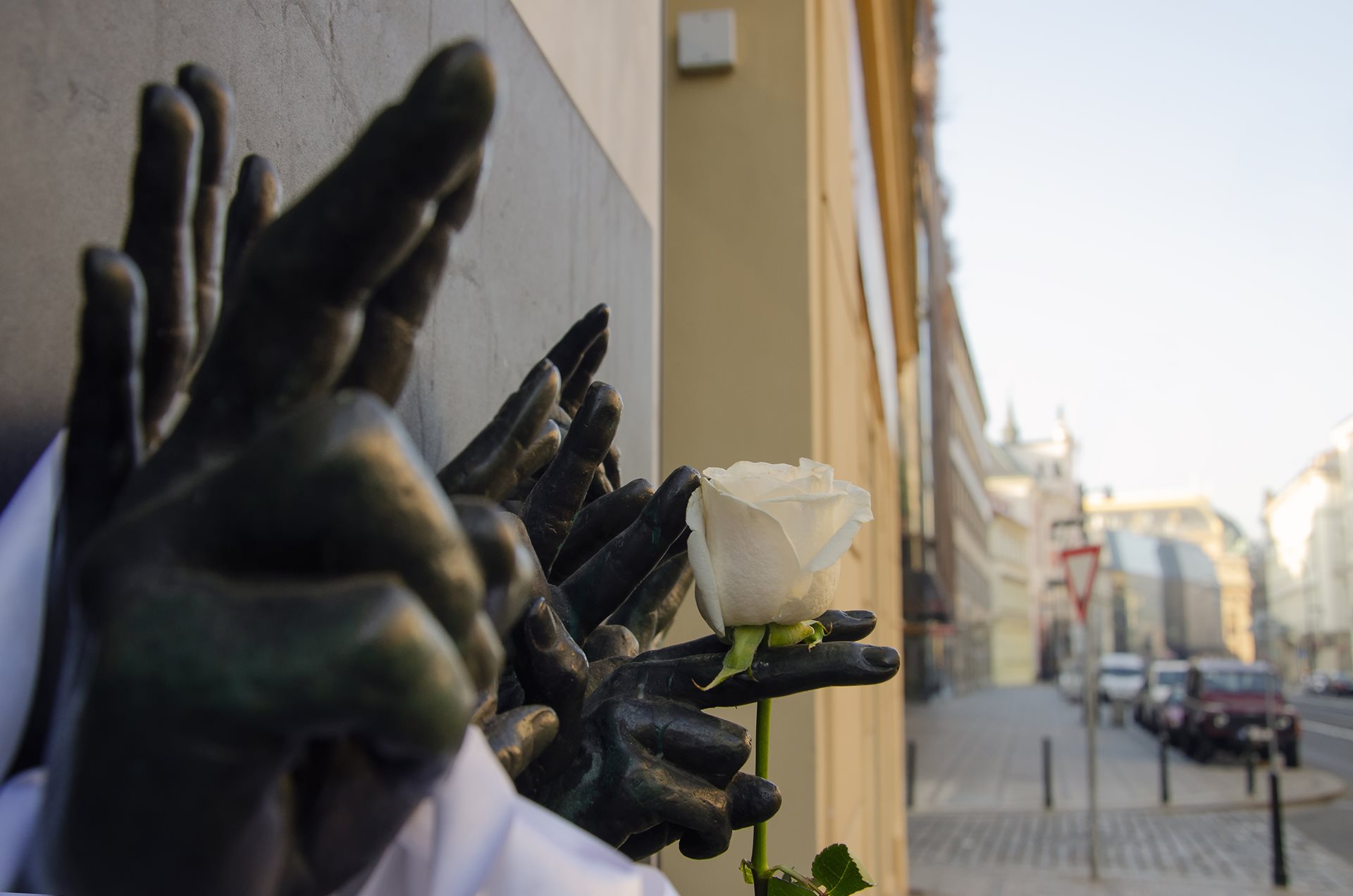
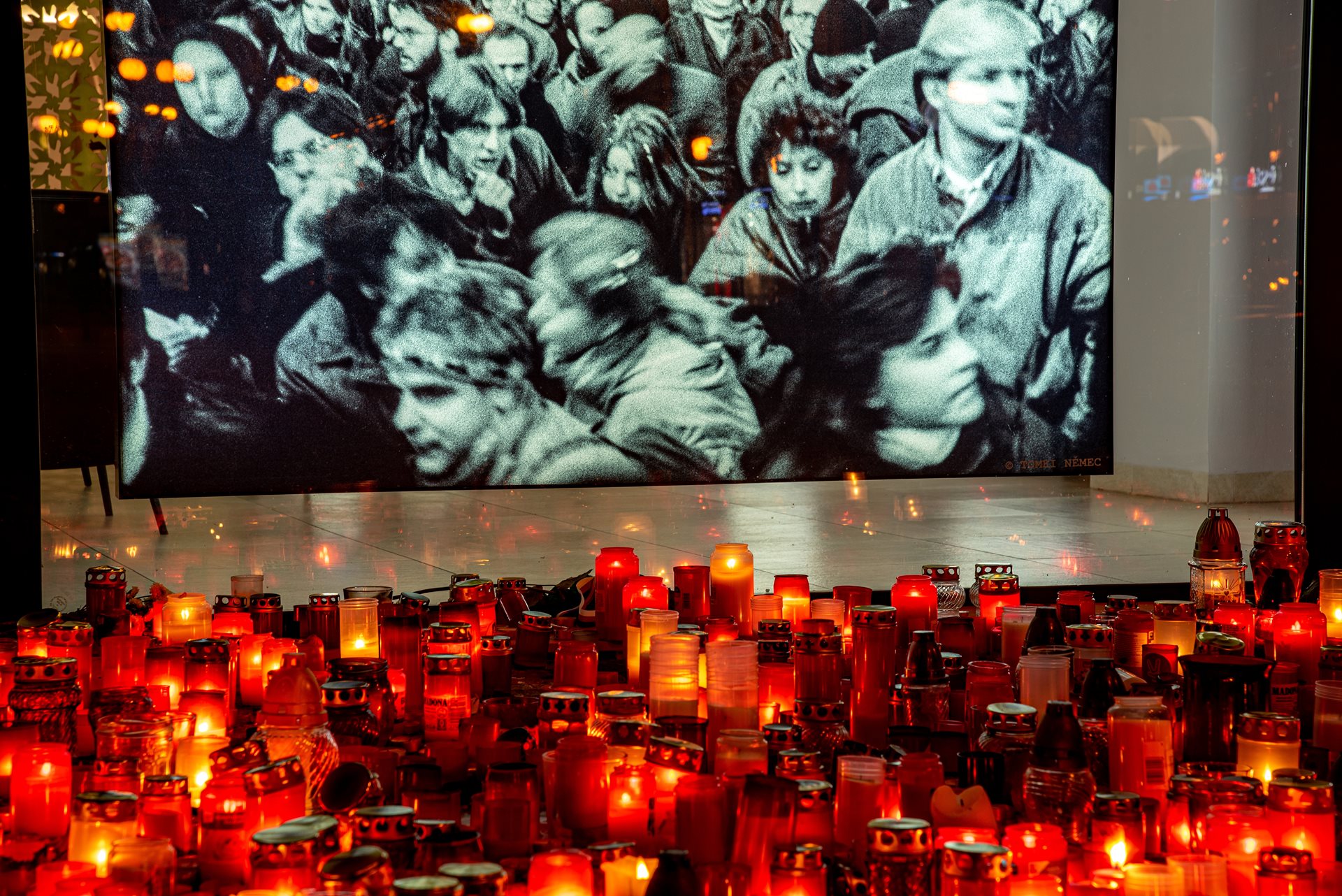
In the centre of Prague, Národní třída runs down to the Legion Bridge over the Vltava River. The street is home to the National Theatre and to Café Louvre, one of Prague’s oldest cafés. On November 17, 1989, this boulevard saw a brutal police intervention against the peaceful student march that had come here from Albertov. The violent crackdown by special police units sparked widespread resistance across society and exposed the growing discontent with the political system. Halfway along Národní třída you will find a memorial to the events of November 17, where members of the public and officials gather every year to lay flowers and light candles.
Wenceslas Square – The Hub of Demonstrations
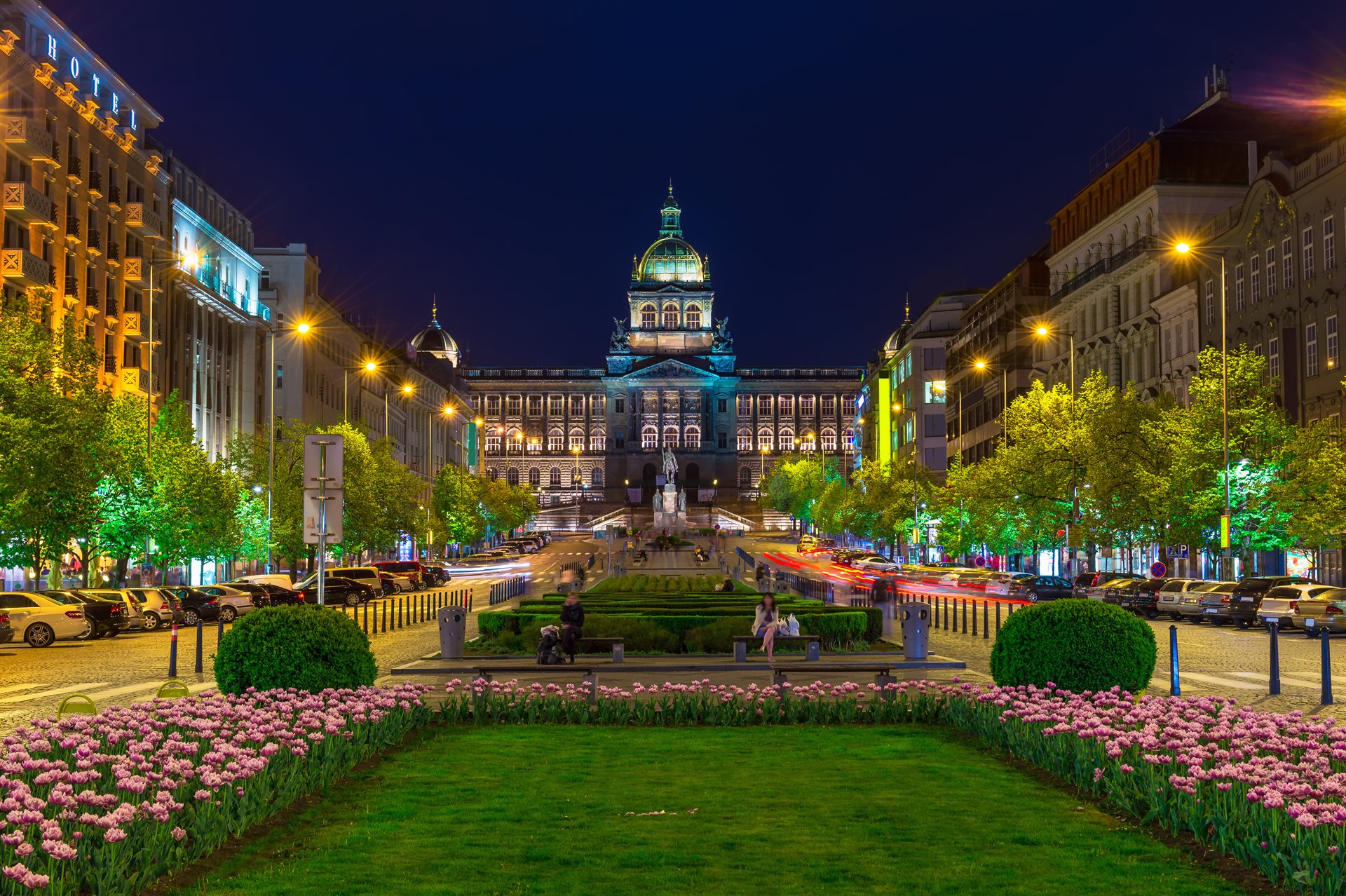
Everyone in the Czech Republic knows Wenceslas Square, which locals call Václavák. This long square, once a horse market, is now a powerful symbol of civic engagement, and organisers of demonstrations aim to fill it all the way from the National Museum down to Můstek metro station. Why is it so significant? In October 1918, the independent Czechoslovak Republic was proclaimed beneath the statue of St. Wenceslas on horseback at the top of the square. Protests against the Nazi occupation took place here in 1939, as did demonstrations against the Warsaw Pact invasion in August 1968. It was also here that Jan Palach took his own life in 1969 in protest against Soviet domination. In late November 1989, huge crowds gathered here to express their longing for freedom and their opposition to the regime. Václav Havel, who later became president of Czechoslovakia and then of the newly formed Czech Republic, and many other leading figures addressed the crowds from the balcony of the Melantrich building during those historic days of November and December.
Letná – When the Squares Couldn’t Hold the Crowds
The largest demonstration of November 1989 did not take place on any of the squares – they were simply too small. Instead, it was held on Letná, a vast plain above the centre of Prague, near the Sparta Prague football stadium and the National Technical and National Agricultural Museums. On the cold, rainy weekend of November 25–26, 1989, more than a million people from all over the country gathered there, showing that the call for free elections went far beyond a handful of students in Prague: it was clearly the voice of the majority.
Prague Castle – The Seat of Presidents
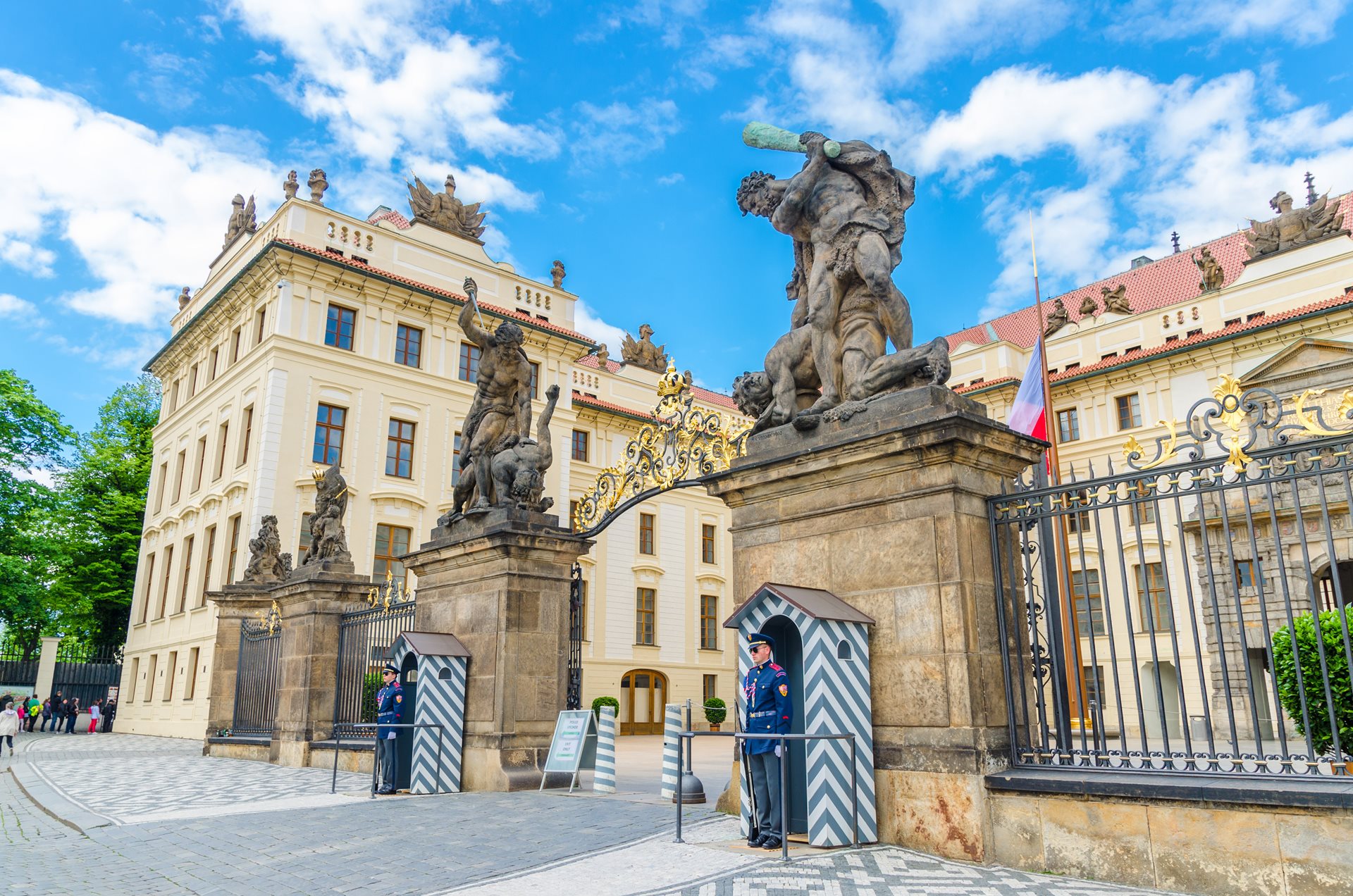
The transition from Communist totalitarianism to democracy would not have been complete without the election of Václav Havel, a renowned dissident and playwright, as president at the end of December 1989. Havel, who came from a once wealthy Prague family, had spent several periods of his life in Communist prisons. As a leader of the reform movement, he was elected president unanimously by members of parliament. The election took place in the Gothic Vladislav Hall at Prague Castle. After it, all strikes and preparations for further protests were called off, society calmed down after more than a month of turmoil, and democracy began. The first free elections were held in June 1990.
An interesting fact: Czechoslovak society was further encouraged by the canonisation of St. Agnes of Bohemia, a 13th-century Czech princess of the Přemyslid dynasty who spent her youth at Prague Castle. Just days before the first demonstrations, on November 12, 1989, Pope John Paul II canonised St. Agnes in Rome. The event gave great encouragement to the dissident community, whatever the personal beliefs of its members, and helped the Czechs on their way to a free Europe. A large mass celebrating the canonisation was held in the Cathedral of Sts. Vitus, Wenceslas and Adalbert on November 25, 1989.


