
Discover the Excitement and Heritage of Shrovetide Festivals!

This festive season has origins that trace back to pagan traditions, yet in the present day, it spans from the Epiphany on January 6 until Ash Wednesday, which occurs six weeks prior to Easter. Our ancient ancestors honored the sun, fertility, and vigor during this joyful time, celebrating as the days grew longer and early signs of spring emerged. Following the advent of Christianity, this period evolved into a carnival celebration that precedes Lent. Let’s explore where you can enjoy the carnival festivities and what delightful foods to experience!
Carnival Processions with a UNESCO Designation
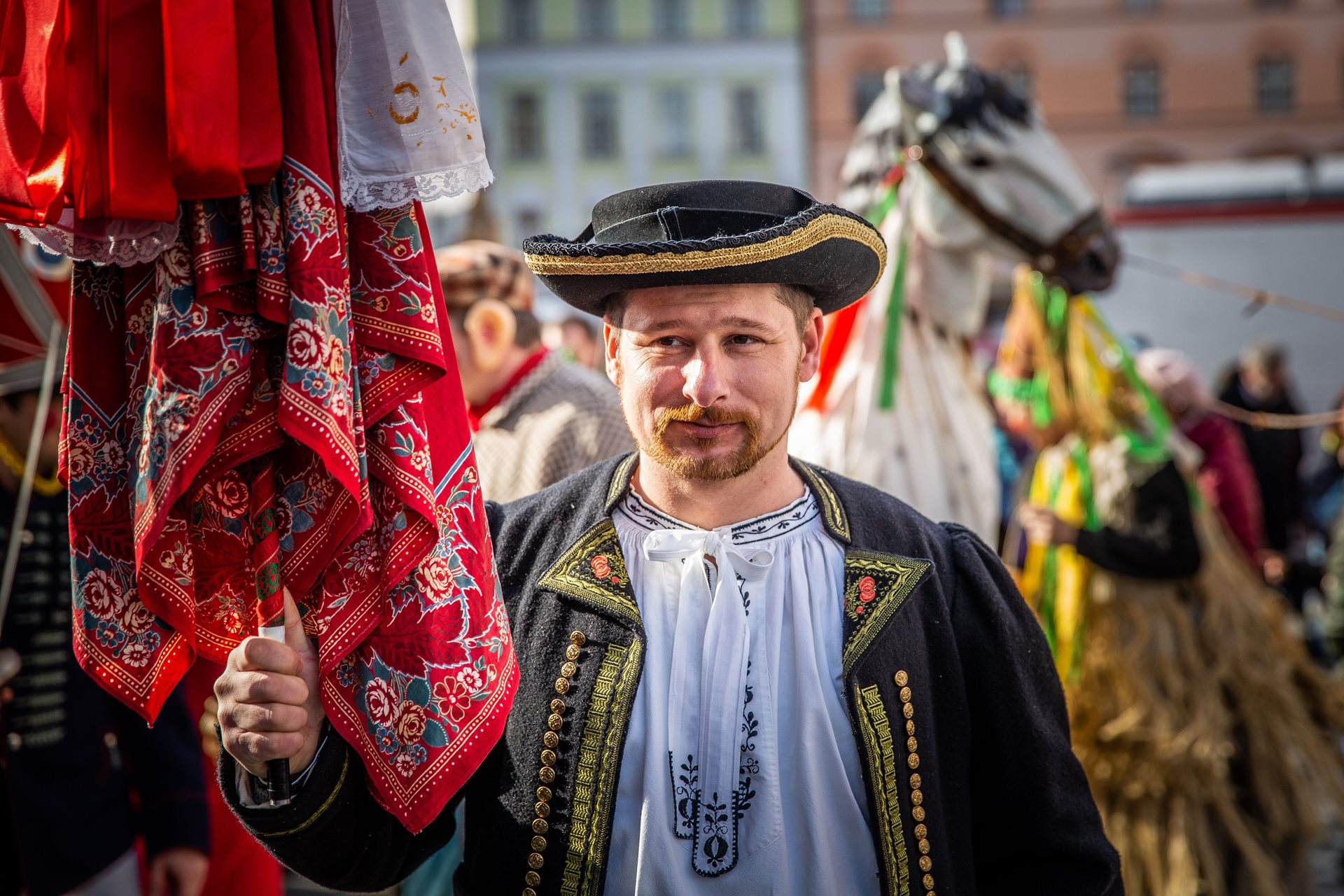
As previously mentioned, the Shrovetide festivities are closely tied to colorful masquerade processions, filled with music, dance, and merriment, parading through towns and villages in Bohemia and Moravia. The traditional carnival processions have retained much of their original charm in the Hlinecko region located in East Bohemia, particularly in Hamry, Studnice, Vortová, and Blatno. The character and design of the masks used during these celebrations have remained unchanged for a century. Due to their unique cultural significance, these processions are recognized on the List of Intangible Cultural Heritage by UNESCO, and the Betlém conservation area in Hlinsko even hosts a dedicated museum.

Get Involved in the Carnival
Interested in participating in a Shrovetide carnival? You’re in luck! This year offers several exciting options. Why not check out the Letná Carnival in Prague? The carnival procession kicks off at Strossmayer Square (Prague 7) on January 24, featuring a vibrant blend of music, theatrical performances, dance shows, and traditional carnival costumes. Additionally, the event includes programs at both the National Technical Museum and the National Museum of Agriculture.
At the National Museum of Agriculture, you can immerse yourself in the ambiance of an old Bohemian slaughterhouse. Experience carnival traditions, watch the butcher’s guild in action, and witness a lively masquerade parade through the museum.
Enjoy demonstrations showcasing traditional pork processing techniques, complete with commentary from a skilled butcher, as well as an exhibition of butcher’s tools, alongside gastronomic workshops and tastings. Best of all, if you arrive in costume, you get free entry to the museums!
Another captivating carnival takes place in the enchanting historical backdrop of Český Krumlov within South Bohemia. Here, you can indulge in festive music, song, and delectable food. Savor pork specialties inspired by traditional pig-slaughtering at the Pivovarská and Barvírna restaurants. The Krumlov Carnival will culminate in a vibrant mask procession on February 17.
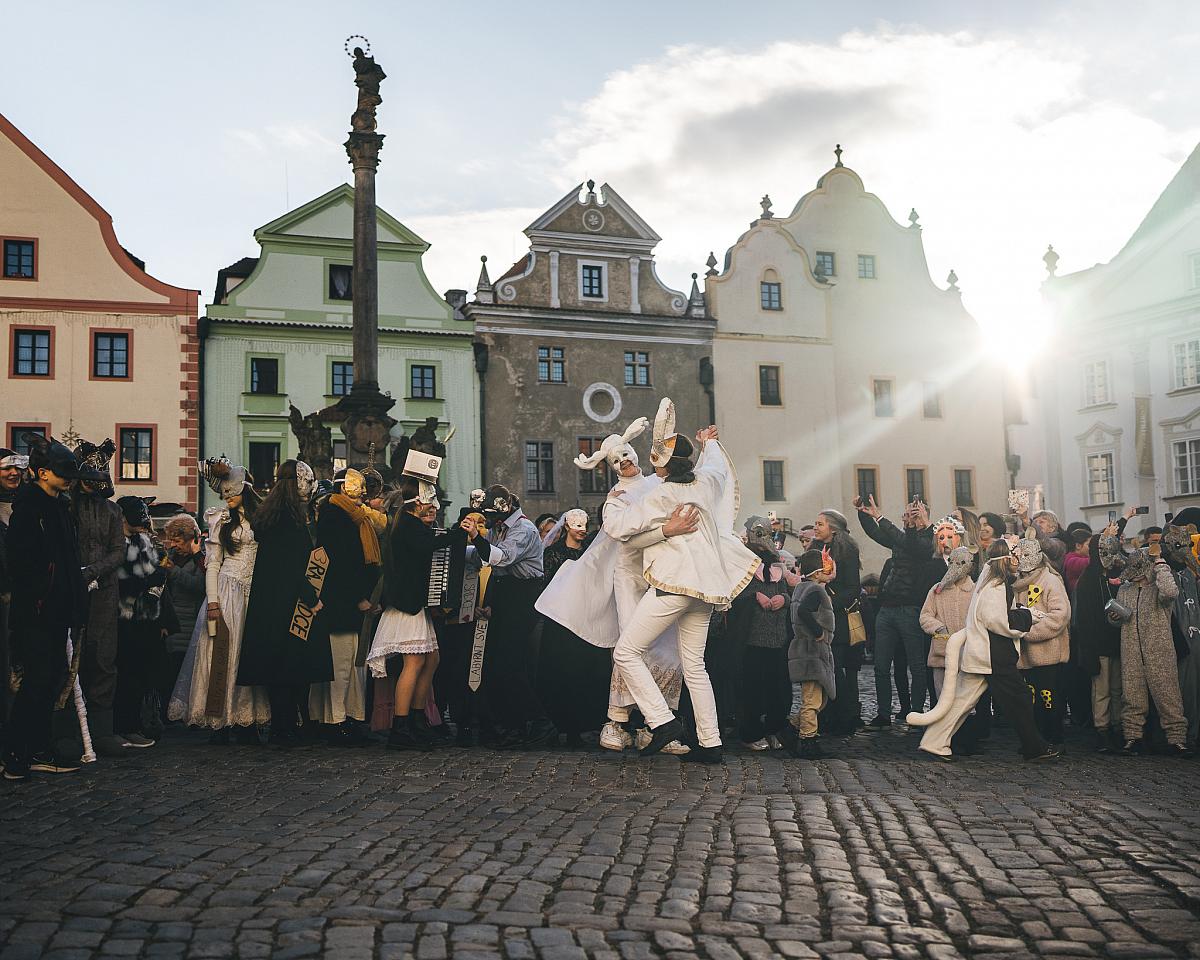
For something more rustic, consider attending a traditional village carnival steeped in history. The Shrovetide door-to-door procession, recognized by UNESCO, takes place at the Veselý Kopec Open-Air Museum in East Bohemia. What experiences await you? On January 31, local folklore groups will perform their door-to-door procession, continuing a tradition upheld for centuries. Additionally, you can witness another UNESCO-recognized Shrovetide procession in the village of Hamry, also located in East Bohemia, taking place on the same day. Here, you will see traditional Shrovetide masks as men, who typically take part, parade through the village.
If you’re wondering about festivities in Moravia, consider visiting Olomouc on January 31 for a lively carnival fair that features pork and other Shrovetide specialties, performances by Moravian folklore ensembles, ice sculptures (weather permitting), and a flurry of Shrovetide masks. Alternatively, you can head to Rožnov pod Radhoštěm, where the Little Wooden Town also comes alive with Shrovetide customs on Saturday, February 7.
Traditional Feast
Historically, the festivities would begin on Shrove Sunday, the final Sunday prior to Ash Wednesday, marked by a lavish lunch and celebration for the extended family. The meals enjoyed during this time were definitely not deemed healthy; quite the opposite! Tables overflowed with rich fatty meats and indulgent sweets that played a vital role in the carnival fare. With long fasting ahead during Lent, everyone relished a bountiful feast of joyful cheer, singing, and dancing—alongside plenty of food and drink.
Pork Specialties – Hog Killing
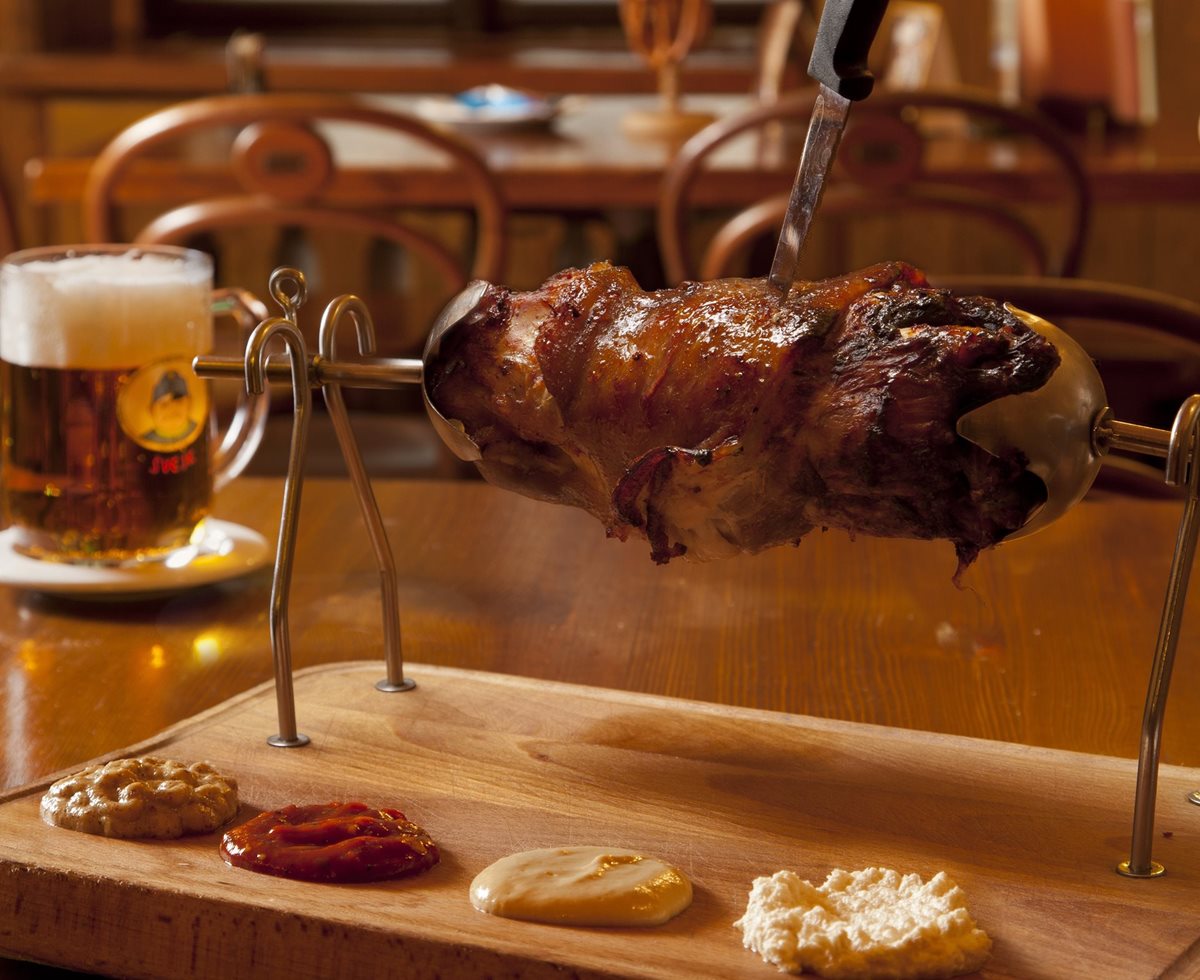
It’s no coincidence that this season was marked by countless hog killings, a living tradition in the Moravian countryside where family and friends gather to slaughter and process a whole pig in a single day. In the past, families would fatten their own pigs throughout the year, and a butcher would arrive to perform the slaughter at dawn. Recently, however, a simpler approach has emerged, with people ordering a pre-fattened pig from farmers. Processing the meat takes an entire day, from snout to tail, resulting in specialties such as white and black puddings (similar to kielbasa), boiled belly pork, collared pork, cracklings, and exclusive hog-killing soup or goulash. In essence, no part goes to waste, as every bit is utilized. The frigid weather during this period was ideal for a hog feast, given that ordinary households lacked refrigerators and freezers; thus, butchers were particularly busy during this time. Throughout the day, beer and homemade brandy, typically plum brandy, are offered to keep the participants warm!

The hog-killing feast isn’t limited to rustic family gatherings; many restaurants focused on traditional Czech cuisine offer a comprehensive hog-killing menu—including belly pork soup, collared pork, both white and black puddings, sausage meat, roasted knee, or flavorful goulash.
Collared pork can often be found as a popular beer snack in traditional pubs year-round. This specialty includes various types of pork and other pig parts such as the liver, tongue, skin, or feet. The dish consists of small chunks of meat preserved in aspic, derived from cooked connective tissues, and is typically served with onions and vinegar.
Carnival Sweets
The carnival celebration also offers a delightful array of sweets. Among the most beloved treats are doughnuts deep-fried in ghee. This sweet yeast dough, made from white flour, is generously filled with homemade jam, fried until golden, and then dusted with sugar. Other regional sweets include angel wings pastry, cookies, sweet rolls packed with ground walnuts, or pies filled with cottage cheese, poppy seeds, or plum butter.

Angel Wings – Recipe
These classic crispy pastries were often made by our grandmothers and great-grandmothers and are predominantly crafted in Moravia today. They are definitely a treat worth trying!
Ingredients: 300 g all-purpose flour, a pinch of salt, 50 g butter, 20 g lard, 40 g caster sugar, 3 egg yolks, 2 tablespoons of lemon juice, zest of 1 lemon, 7 tablespoons of sour cream, 1 tablespoon of rum, and ghee for frying.
To begin, create a crumble using the flour combined with cold butter and lard. Mix the sugar, salt, lemon juice, lemon zest, rum, and egg yolks with the cream, and then add it to the crumble mixture. Knead into a smooth dough, wrap it in cling film, and refrigerate for at least an hour. Roll out the rested dough into a thin layer (about 3 mm thick), cutting out traditional rectangular shapes with a cross in the center. Heat the fat in a tall pot and fry the angel wings gradually on both sides until they are golden brown. Drain on paper towels for about a minute, then dust with vanilla sugar.


