
Václav Havel: The Writer, Dissident, and Leader Who Shaped a Nation

A Child from a Bourgeois Family
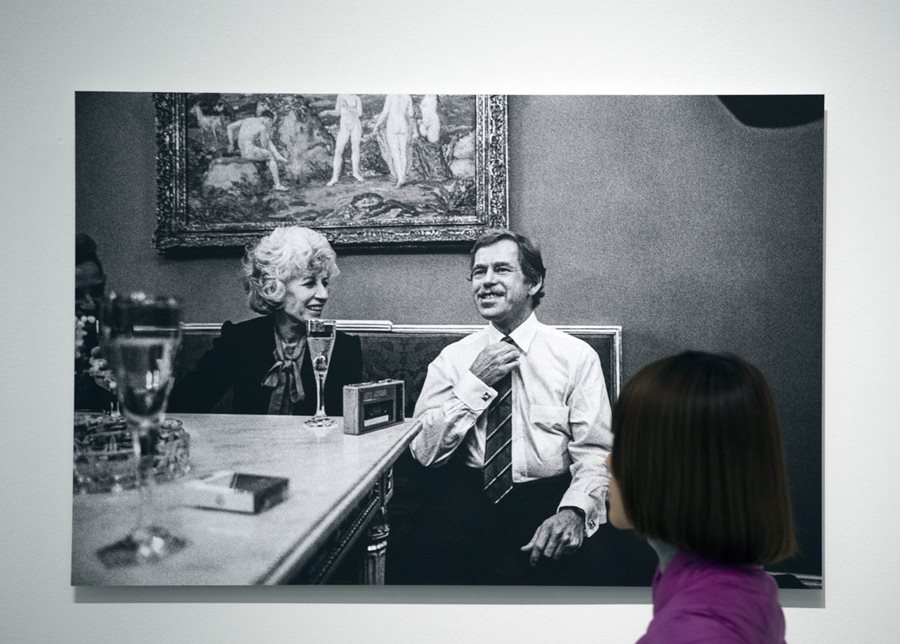
Václav Havel was born on October 5, 1936, into a family that had been part of Prague’s affluent elite for generations. His uncle managed the renowned Barrandov film studios, fondly referred to as the European Hollywood prior to World War II. Meanwhile, his grandfather was deeply involved in real estate and commerce. It appeared that Václav was destined for a comfortable and tranquil life. However, everything took a drastic turn with the outbreak of World War II, further compounded by the rise of the communist regime influenced by the Soviet Union. His family’s assets were confiscated, and young Václav found himself barred from studying humanities or pursuing the career paths he desired. Despite these challenges, during the mild thaw in political repression in the 1960s, he stepped into the role of a dramaturge at Prague theatres and began writing plays for the stage.
The Shattered Hopes of Spring 1968
The spring of 1968 brought a wave of gradual democratization in Czechoslovakia. Notably, censorship was lifted after about two decades, granting citizens a promise of complete freedom of expression. Books that had been banned for years were finally published, and films previously denied screening found their way back to cinemas. Václav, in his early thirties, revelled in this newfound freedom, contributing articles to magazines and publishing both books and theatrical works. Unfortunately, this blossoming of liberty was abruptly halted on August 21, 1968, when Soviet tanks rolled into the country, reverting the political landscape to its former oppressive state. In defiance of the occupation and the reinstatement of the old regime, Václav faced repercussions including job termination and an employment ban. He subsequently found work as a labourer at a brewery in East Bohemia. A true lover of freedom and individualism, Václav became an active participant in the resistance against the communist regime, resulting in multiple imprisonments.
The Velvet Revolution and His Unconventional Presidency
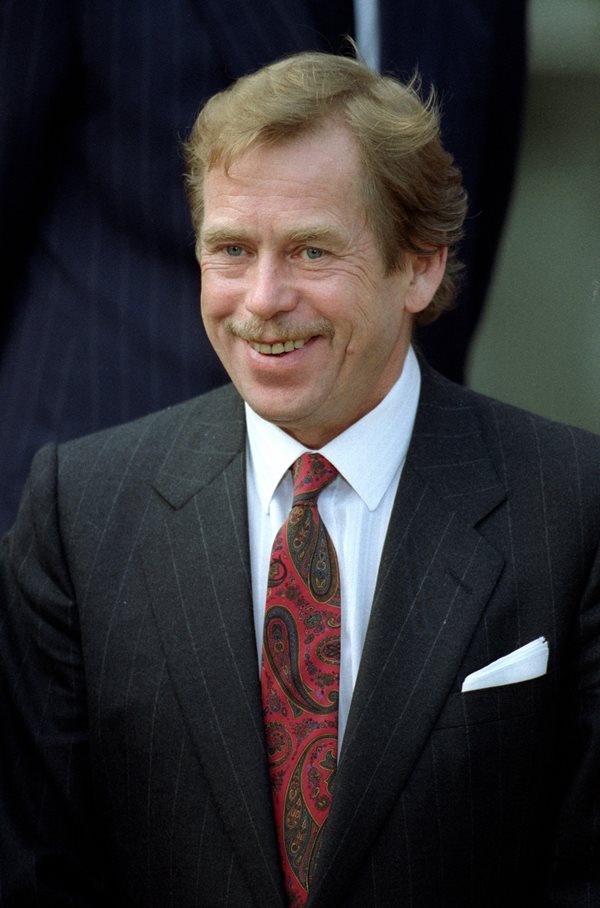
The fall of the communist regime arrived in late 1989, and Václav Havel emerged as one of the key figures in what became known as the Velvet Revolution. The term “velvet” was coined to signify the bloodless nature of this transition and the peaceful transfer of power to democratic leaders. By the end of December 1989, Václav Havel was inaugurated as Czechoslovak president, joining forces with fellow advocates for freedom and reform. Despite his elevated status, he always saw himself as a playwright first, never losing his passion for writing. This artistic sensibility led him to surround himself with fellow artists rather than seasoned politicians. As a significant legacy, under Václav Havel’s leadership, Prague Castle became partially accessible to the public, and extensive restoration efforts were made to the South Gardens, returning them to their pre-war grandeur. Throughout his 13 years in office, Havel remained guided by a powerful motto he first shared during his address in the Velvet Revolution: Truth and love must prevail over lies and hatred. Though he wasn’t favored by many in the political arena, his artistic insight and compassionate viewpoint profoundly influenced the early years of independent Czechoslovakia. After stepping down from the presidency, he devoted his time to his personal interests, provided commentary on current events, and enjoyed gatherings with friends, including the Tibetan Dalai Lama, who famously visited him in Prague on numerous occasions. Václav Havel passed away on December 18, 2011, at his countryside residence near the breathtaking Krkonoš (Giant) Mountains.
How to Commemorate Václav Havel? Show Your Socks!
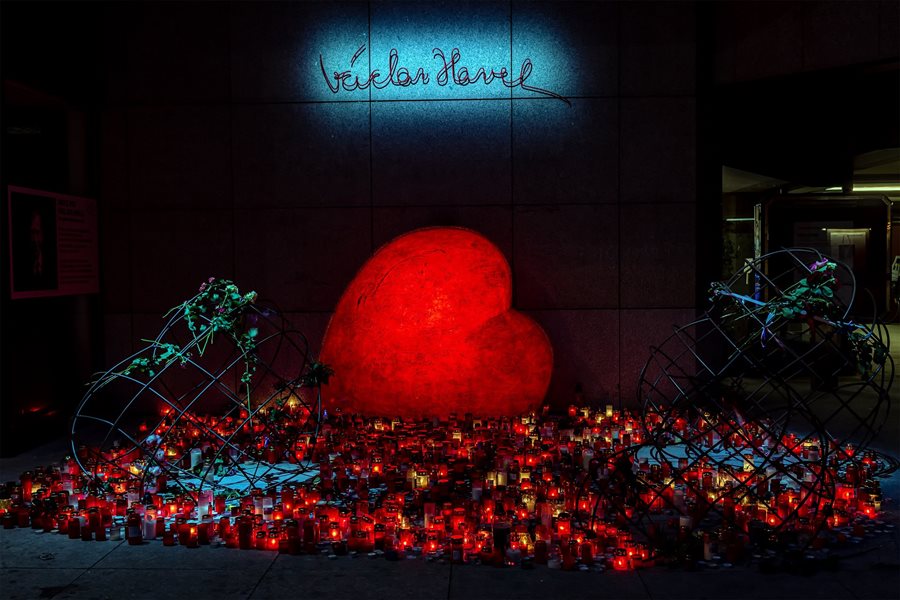
Each year on December 18, the anniversary of Václav Havel’s death, people find ways to honor his memory and legacy through various commemorative events. You don’t necessarily have to visit a memorial to lay flowers or wreaths; after all, that wasn’t Václav’s style. In 2012, to mark his first death anniversary, a unique initiative named “Short Trousers for Václav Havel” was launched, encouraging tribute through a memorable and simple gesture. The concept of short trousers brings back memories of Václav Havel’s presidential inauguration in 1989, where he infamously wore trousers that appeared amusingly short. Thus, every year on Václav Havel Day, people roll up their pant legs, proudly displaying their socks as a lighthearted tribute he would have undoubtedly found amusing.
Are You Familiar with Places Linked to Václav Havel?
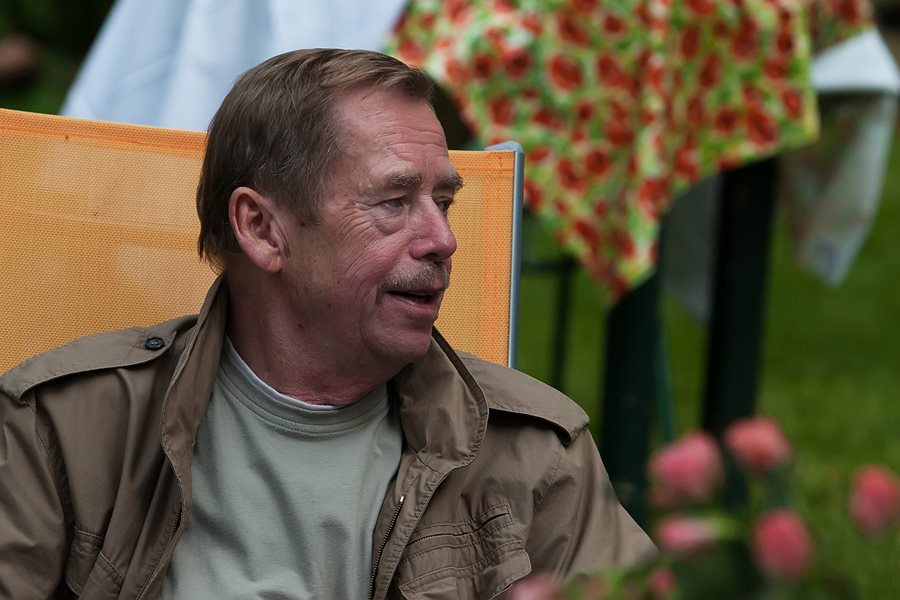
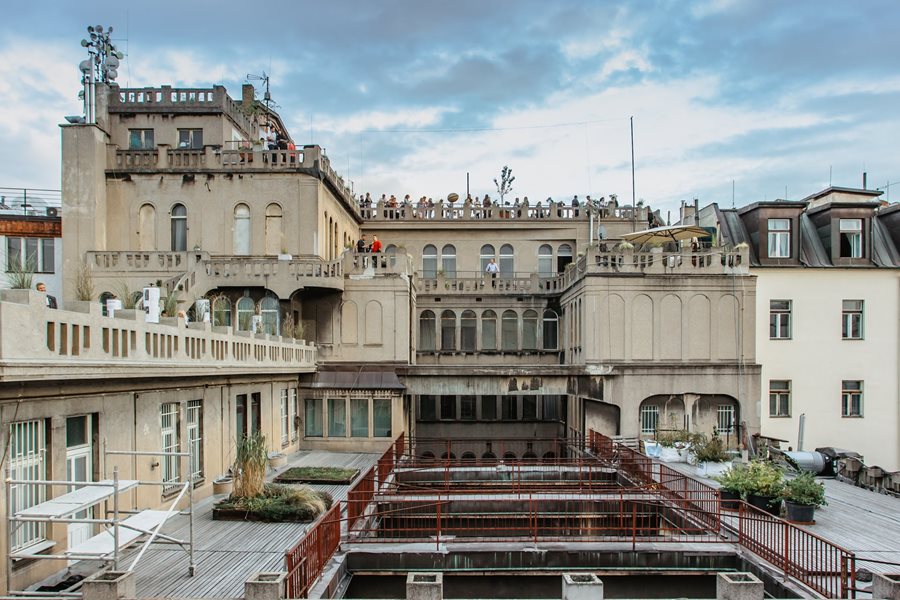
Numerous locations are closely associated with his life and work. One must-visit spot is the Lucerna Palace situated in Wenceslas Square, constructed by his grandfather and now back in the family’s possession. This historical site houses an active cinema, which premiered blockbuster films produced at Barrandov by Václav’s uncle over 80 years ago, not to mention a charming café that has preserved much of its original character. Another significant place tied to Václav Havel is undoubtedly Prague Castle, which has attracted countless tourists, particularly due to the restoration projects that he championed. Furthermore, he opened the gardens of Lány Chateau, the summer residence for Czech presidents in Central Bohemia, allowing locals and visitors alike to explore. Lány was also a place where he enjoyed mingling with the community at local pubs, unencumbered by bodyguards.
At Mariánské Square in Prague, you will find an exhibition detailing Havel’s life and the significant places connected to it, running until October 25, 2026.


